1978 Porsche 911 Turbo 3.3
About This Vehicle
There are faster 911s. There are easier 911s. But few carry the presence—or the mythology—of an early Porsche 911 Turbo.
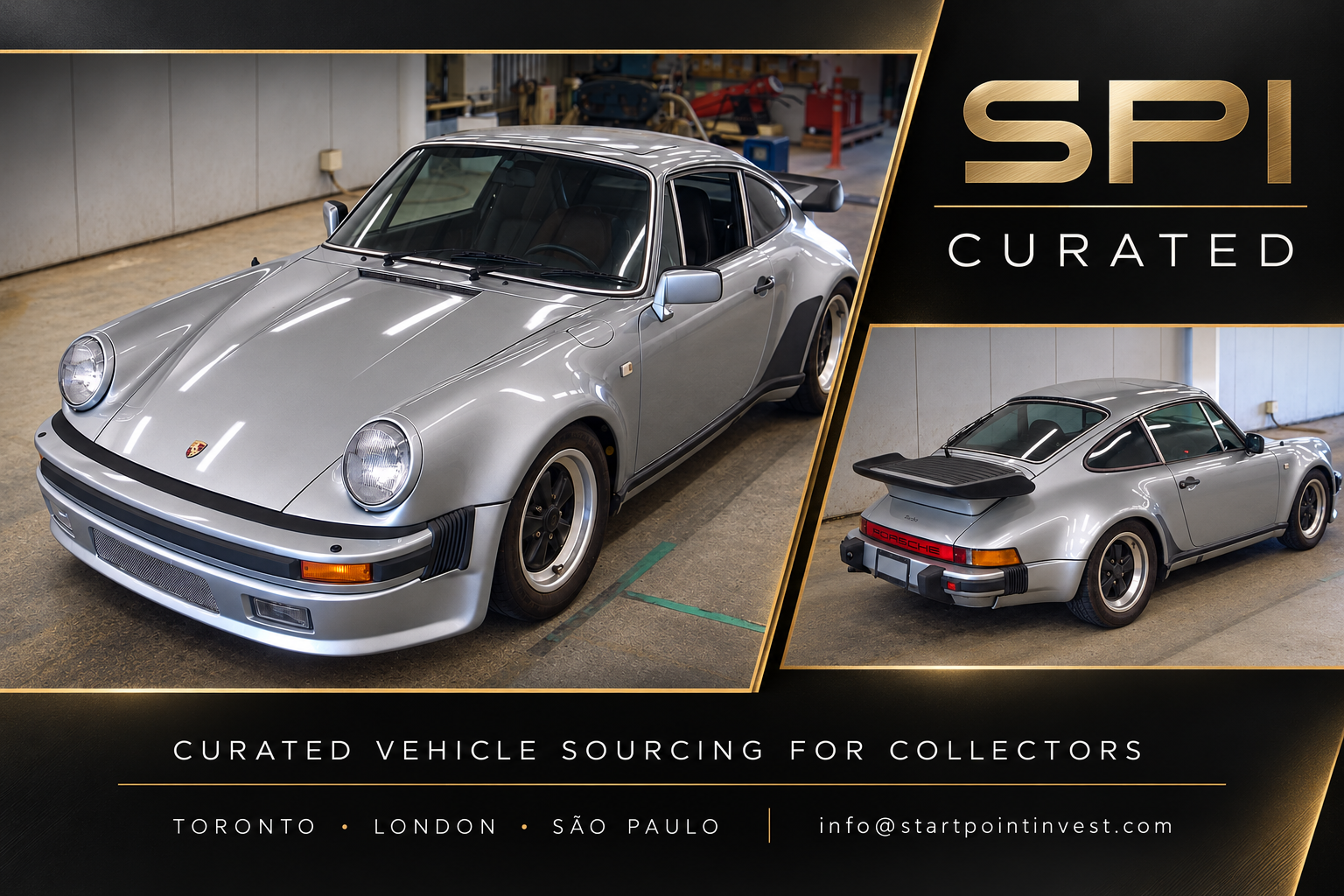
This silver 1978 Porsche 911 Turbo represents a pivotal point in the development of the model internally known as the 930. It is the year Porsche enlarged the flat-six engine to 3.3 litres, introduced an intercooler beneath the expanded rear spoiler and raised output to 300 PS.
The formula was brutally simple: compact dimensions, rear-wheel drive, a turbocharged engine behind the rear axle and very little electronic intervention between the driver and the road.
The beginning of the 3.3-litre eraPorsche introduced the production 911 Turbo for the 1975 model year, initially with a 3.0-litre engine producing 260 PS.
For 1978, the 930 received its most important early evolution:
3.3-litre turbocharged flat-six engine
Air-to-air intercooler
300 PS in European specification
412 Nm of torque
Four-speed manual transmission
Rear-wheel drive
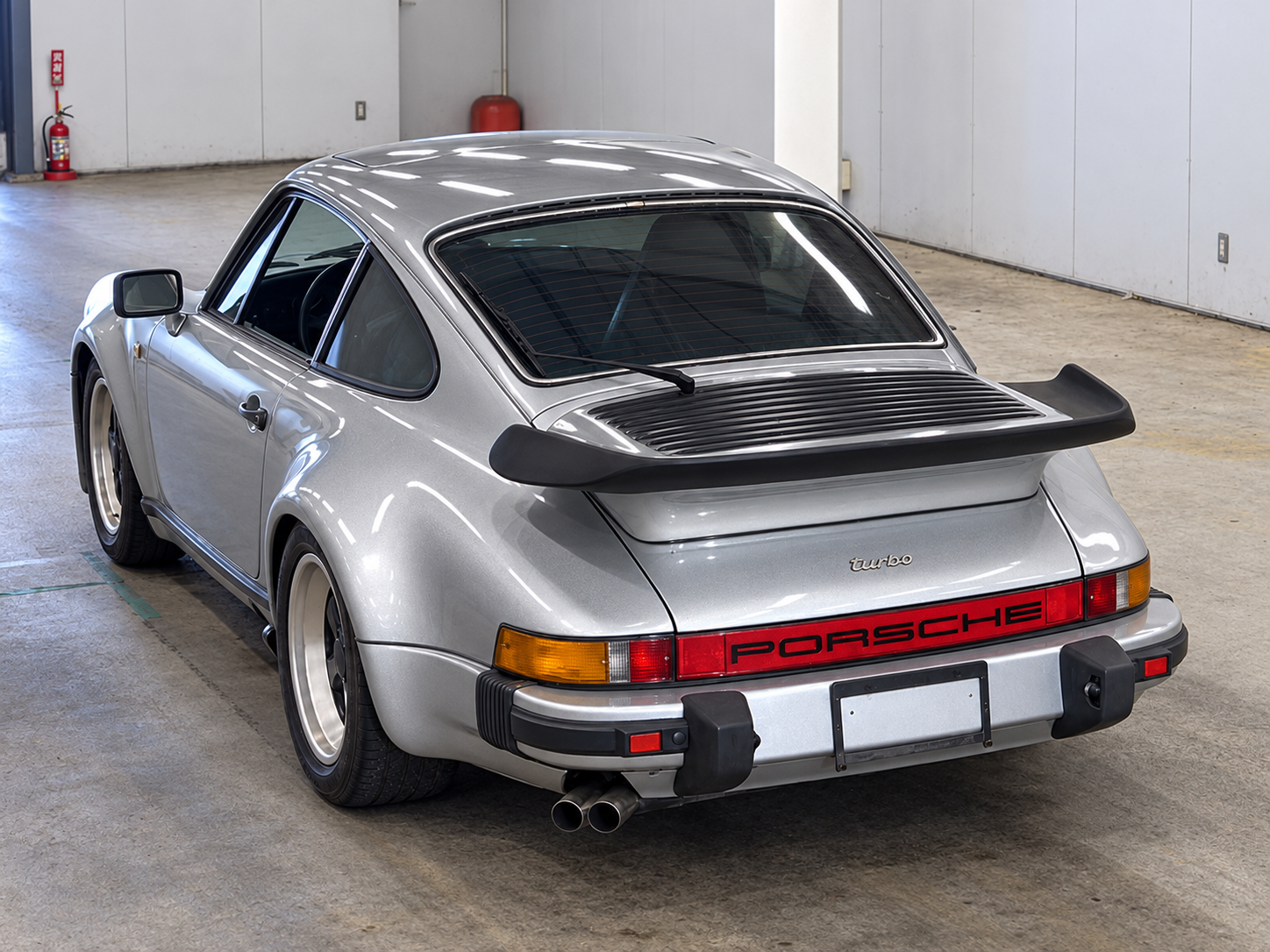
Enlarged rear spoiler accommodating the intercooler
Wider front and rear bodywork
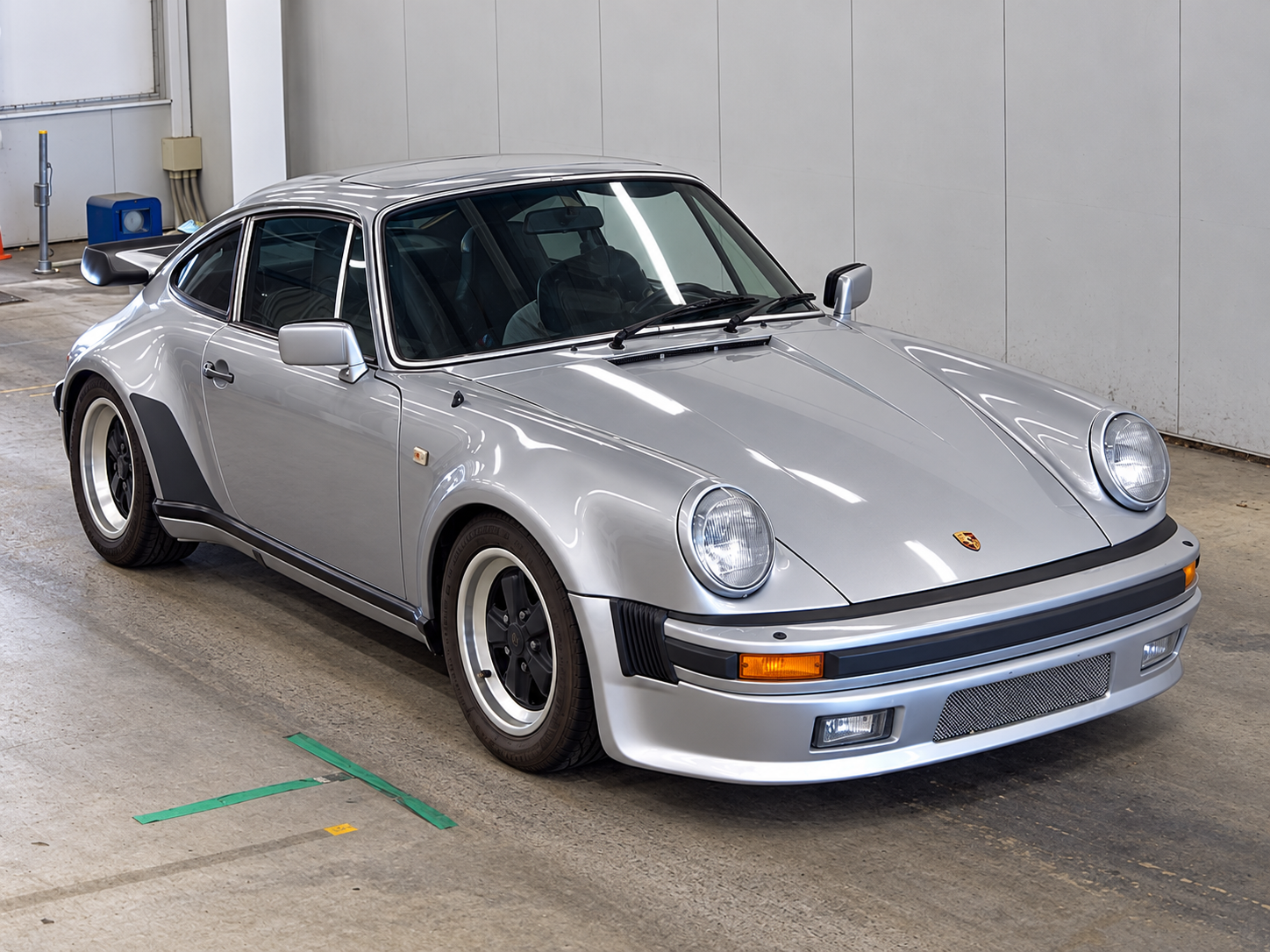
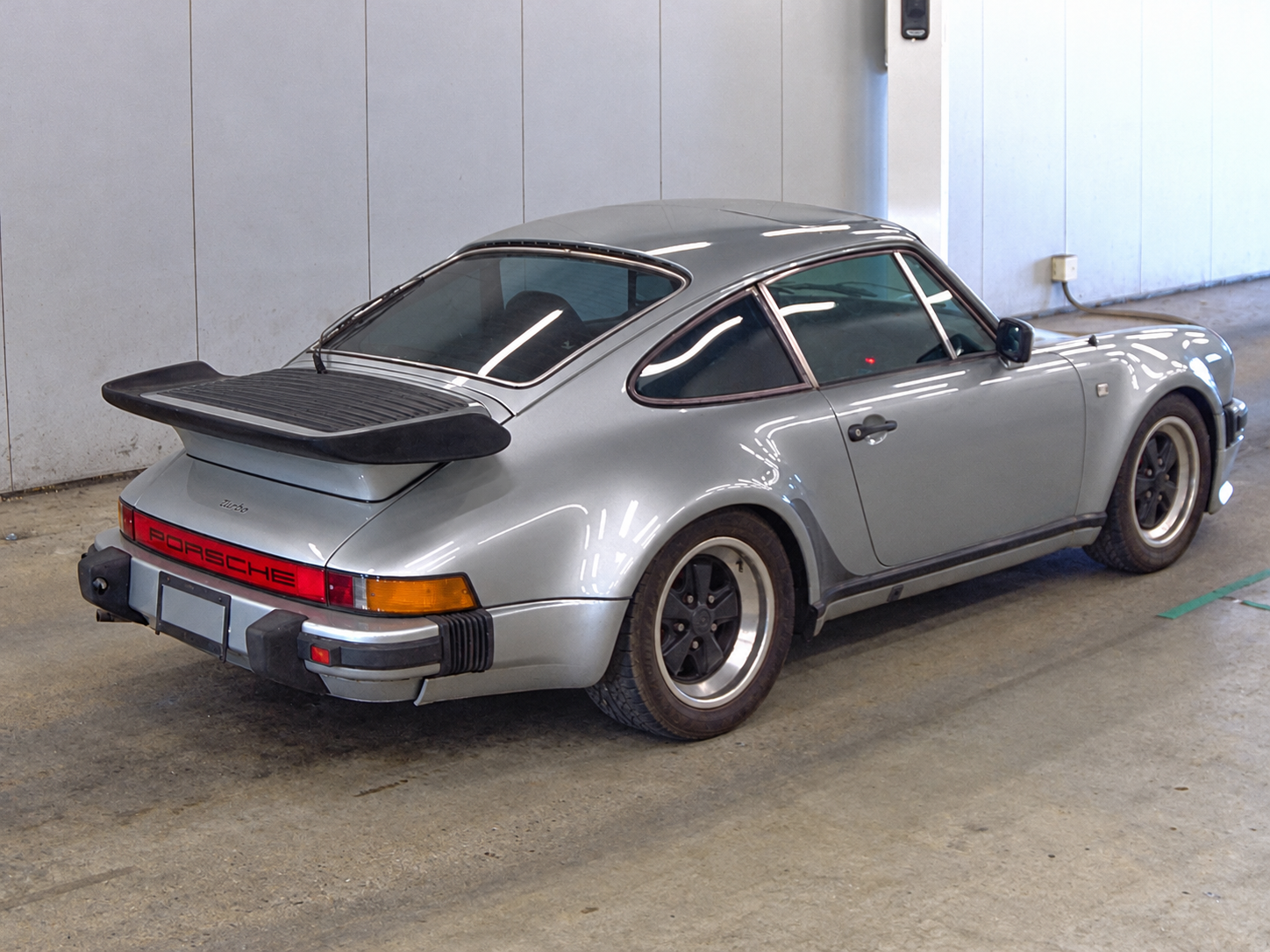
The visual result was unmistakable. Deep rear arches, black stone guards, Fuchs-style wheels and the enormous rear spoiler transformed the familiar 911 silhouette into something far more imposing.
This was not simply another trim level. The Turbo became the flagship of the 911 range and one of the defining performance cars of its generation.
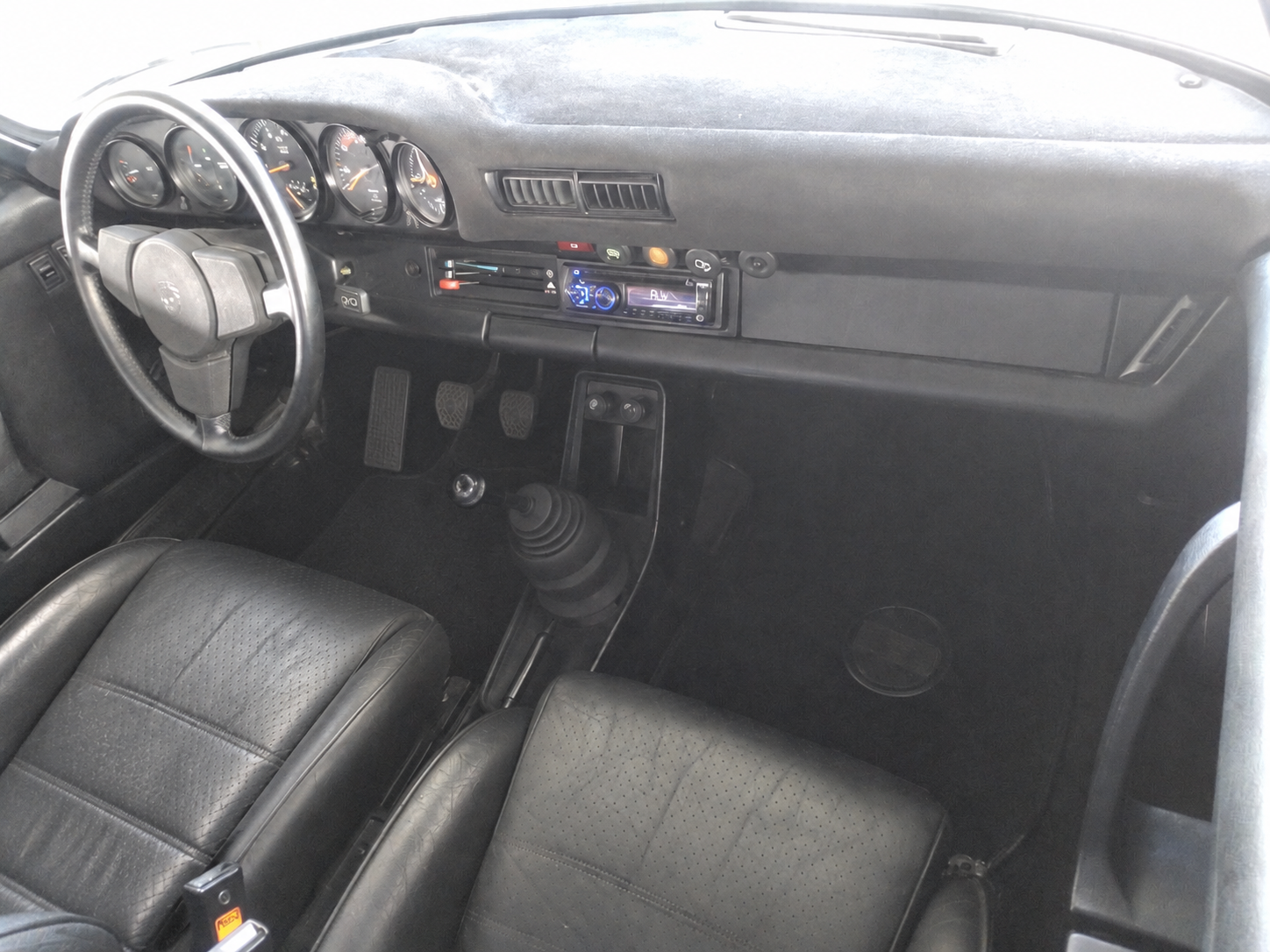
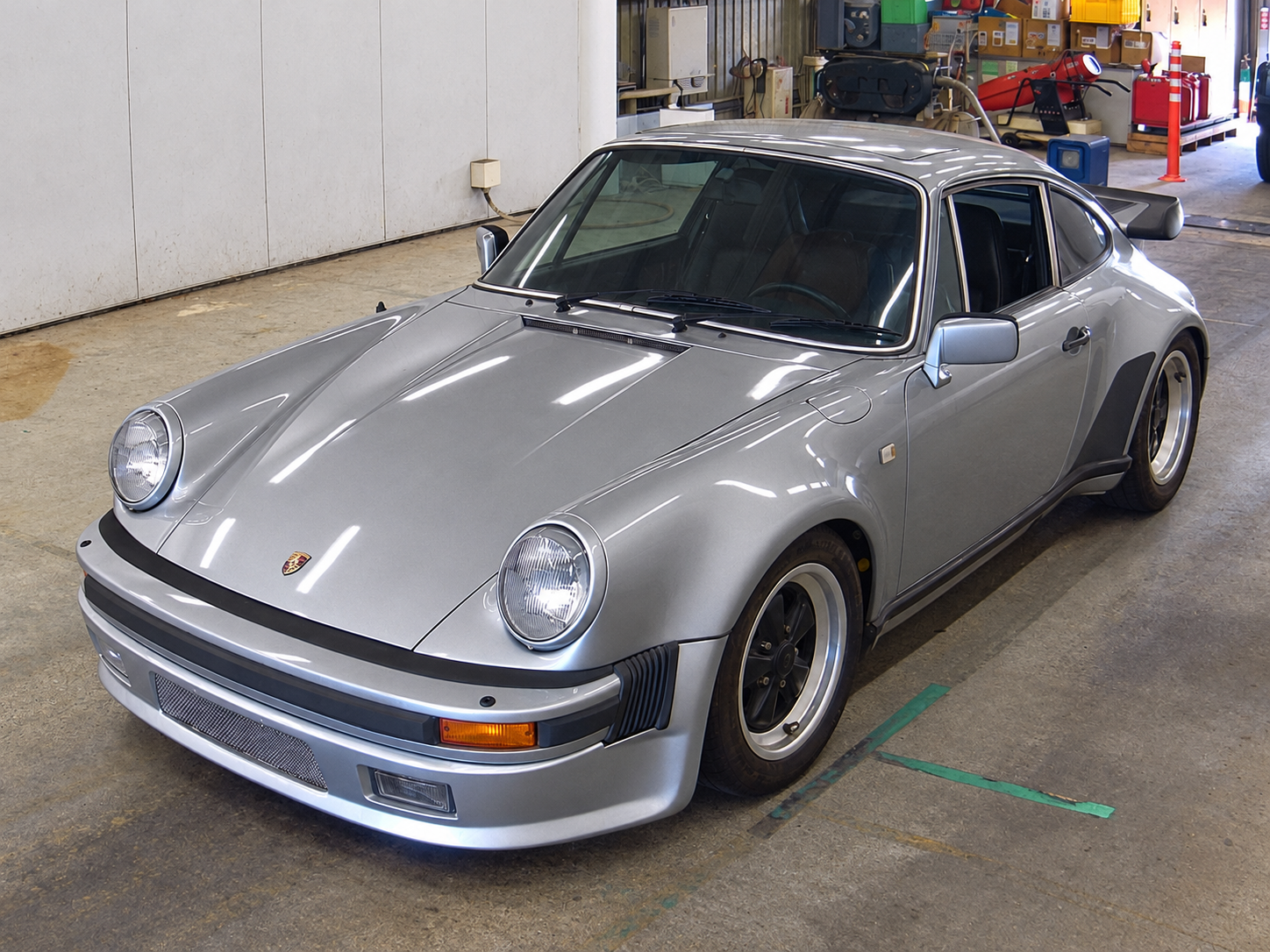
The example presentedFinished in silver with a black interior, this example retains the essential visual character that makes the early 930 so desirable.
Its presentation includes:
Wide Turbo bodywork
Signature fixed rear spoiler
Black rear stone guards
Period-style alloy wheels
Black leather interior
Four-speed manual transmission
Electric sunroof
Colour-coded exterior mirrors
Period-style front valance
Updated audio system
The restrained silver finish allows the architecture of the car to dominate. Nothing disguises the width of the rear bodywork, the compact glasshouse or the purposeful contrast created by the black trim.
It is aggressive without relying on bright colours or decorative excess.
A car that demands verificationA 930 should never be purchased from photographs alone.
Its value depends heavily upon identity, mechanical condition, structural integrity, history and the originality of its major components. Before acquisition, SPI Curated would seek to verify:
Chassis and engine numbers
Confirmed production and specification data
Matching-numbers status, where represented
Original exterior and interior colours
Accident and structural-repair history
Evidence of corrosion or previous metalwork
Engine condition, oil pressure and leak history
Turbocharger and fuel-injection operation
Gearbox condition and synchromesh performance
Service, ownership and mileage documentation
Authenticity of bodywork, wheels, trim and spoiler
Import eligibility and destination-country compliance
The front valance, audio equipment and any other apparent deviations from factory specification would also require examination. Modifications are not automatically negative, but they must be identified accurately and reflected in the valuation.
In collector cars, uncertainty should never be priced as originality.
Why the 1978 model mattersThe 1978 Turbo marks the beginning of the 3.3-litre intercooled era—the specification that established the mechanical and visual identity most people now associate with the classic 930.
It combined a significant increase in performance with one of the most recognisable shapes Porsche has ever produced. The wide body, pronounced spoiler and compact proportions made the car instantly identifiable, even to those who could not explain what was sitting beneath the rear deck.
Its reputation was built not only on speed, but on character. Turbo lag, rear-engine weight distribution and the absence of modern stability systems demanded concentration and respect.
That is precisely why the 930 remains relevant. It offers an experience that cannot be recreated by simply adding more power to a modern car.
The SPI Curated approachWe do not treat an auction photograph as evidence of provenance.
SPI Curated sources vehicles for collectors through a verification-led process. The objective is not merely to locate an attractive example, but to establish what the car genuinely is, what has been changed and whether its condition supports its price.
For this 1978 Porsche 911 Turbo, availability, specification, documentation and mechanical condition remain subject to independent confirmation before acquisition.
EnquiriesFor availability, verified sourcing, inspection coordination and international delivery enquiries:
SPI Curated
Curated Vehicle Sourcing for Collectors
Toronto · London · São Paulo
info@startpointinvest.com
Gallery
Interested in This Vehicle?
Submit a mandate and we'll source this vehicle for you.
Submit a Mandate