1974 Porsche Sitting in a Tokyo Auction
No Brazilian Collector Knew About It
About This Vehicle
How a 52-year-old 911S went from a Japanese auction house to São Paulo — and what it reveals about one of the world's most overlooked arbitrage opportunities.
There is a moment, when you are looking at a Japanese auction screen at 9 o'clock in the morning, that you realise the rest of the world has not yet arrived at the same conclusion you have.
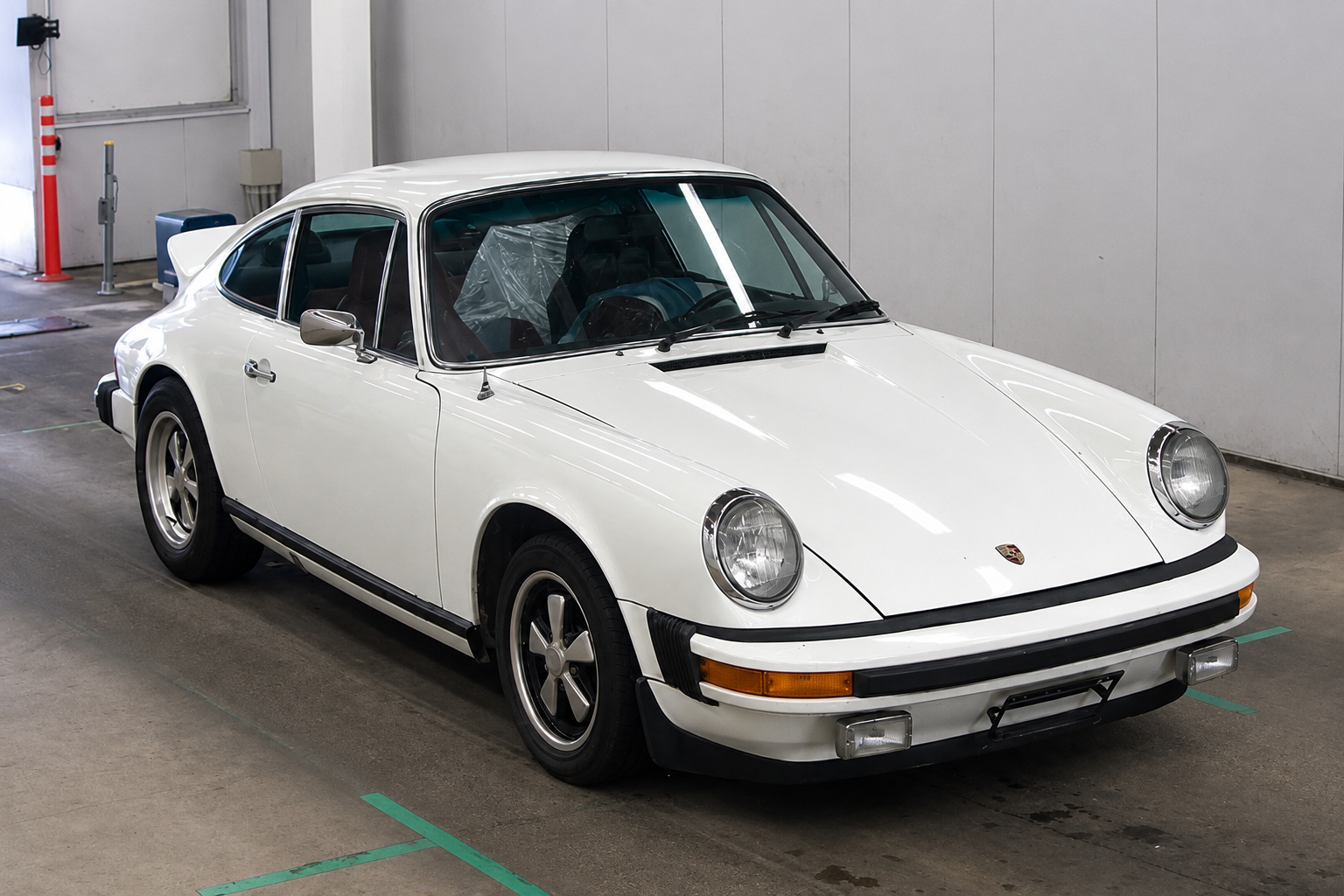
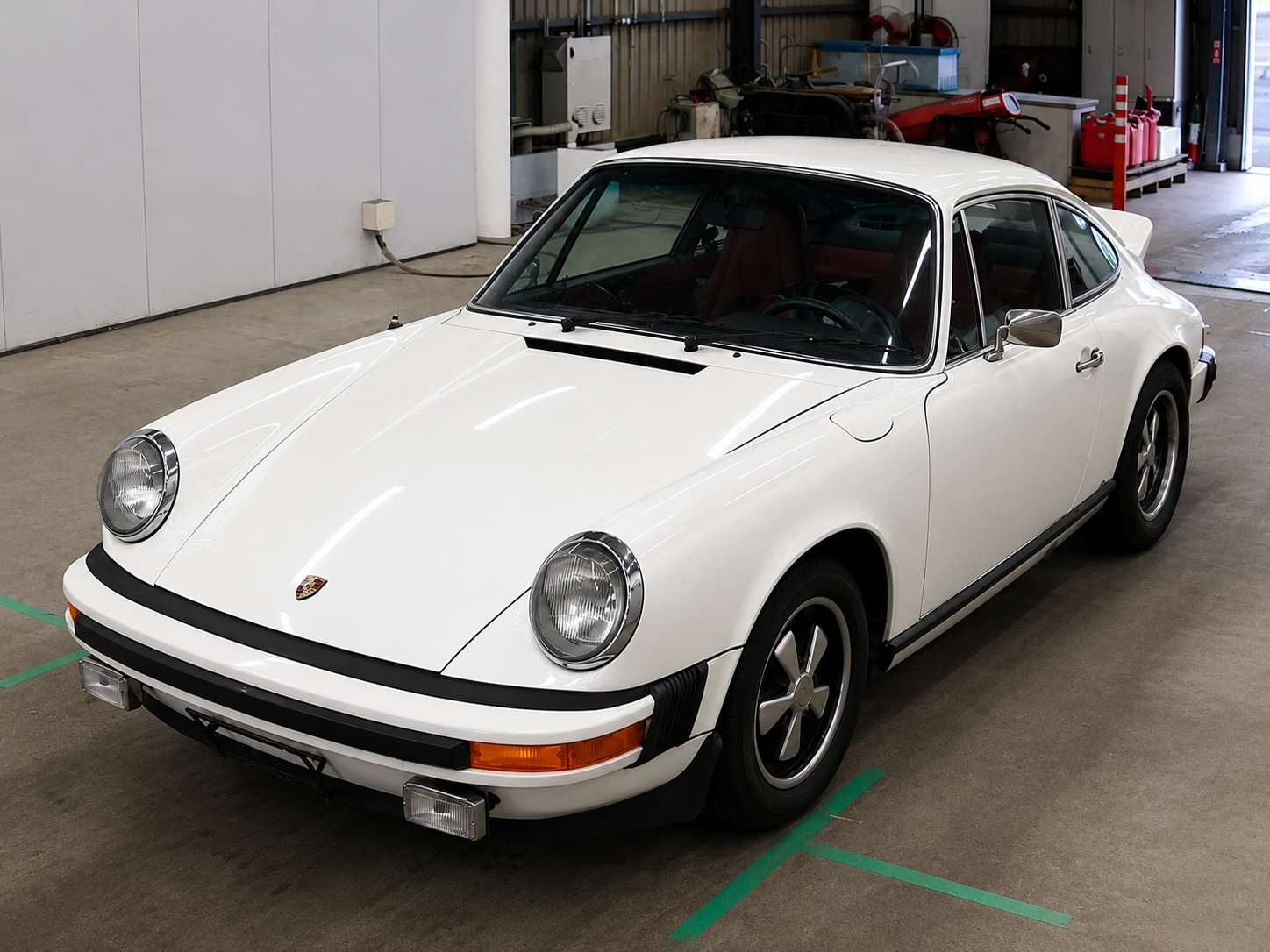
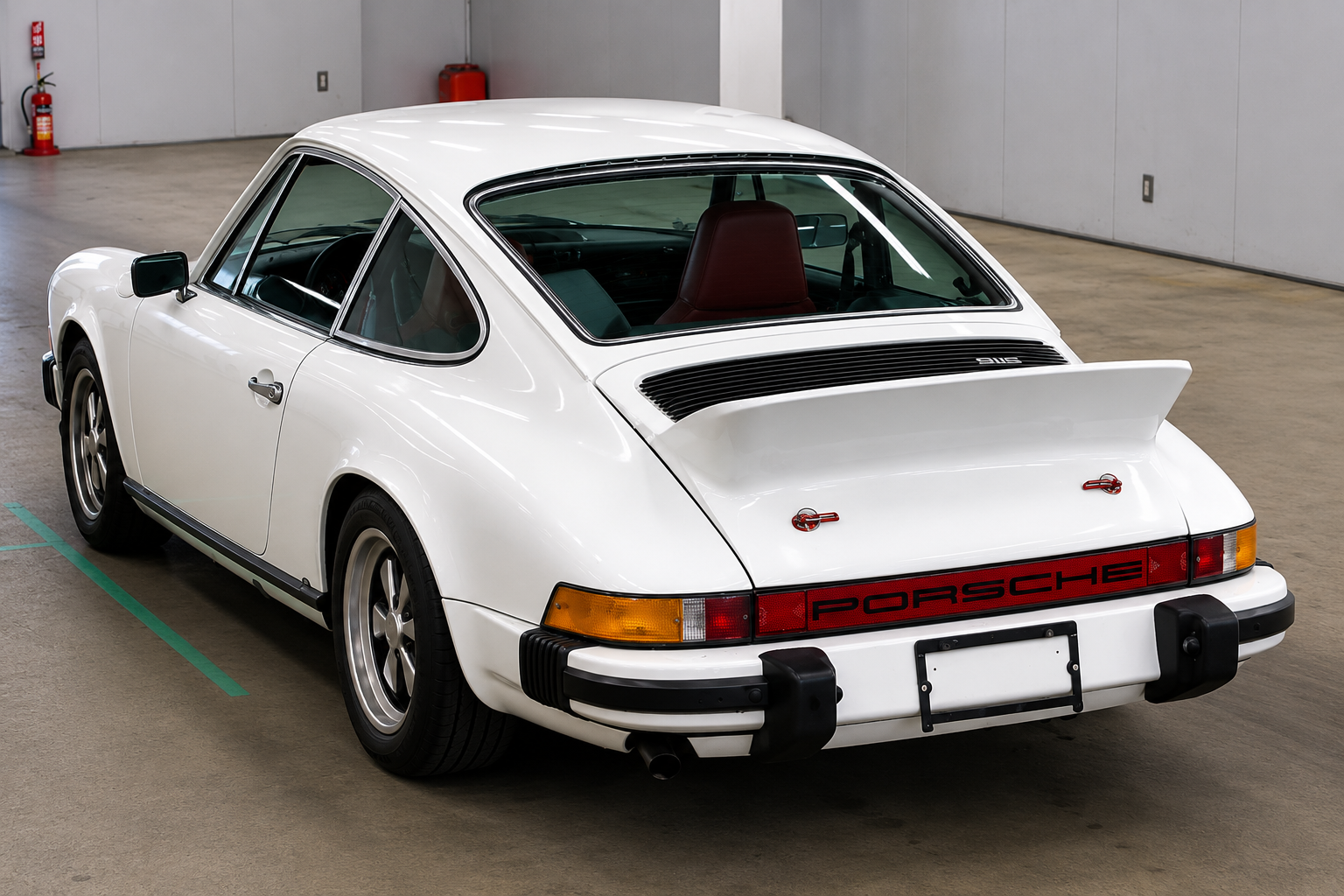
The car on the screen was a 1974 Porsche 911S. White. Manual. 2,700cc flat-six. Sitting at a starting bid of ¥4,980,000 — roughly $32,000 at today's exchange rate.
In Germany, a comparable car of the same year, same specification, and similar mileage was being offered at €140,000.
In Brazil, a country with 215 million people, a deeply passionate automotive culture, and a growing base of ultra-high-net-worth collectors — that car does not exist in the market. There are simply none available. Zero.
That gap — between what a car costs in Japan and what it is worth in Brazil — is what Start Point Invest was built to navigate.
The 1974 Porsche 911S in question carried a grade 4.0 from USS Tokyo. It had been classified in the 名車コーナー — the Famous Car Corner — the highest designation reserved for vehicles of exceptional historical significance. Its provenance was Mitsuwa, the authorised Japanese Porsche dealer of the era, known for importing and maintaining German sports cars to factory standard. The car had a two-digit licence plate — a quiet signal that it had been in Japanese hands for decades.
It was, in short, exactly the kind of car that a Brazilian collector would pay a significant premium for — if they knew it existed.
Brazil's vehicle import regulations create one of the most interesting collector car dynamics in the world.
Vehicles over 30 years old are classified as veículos de coleção — collector's vehicles. They can be imported, fully nationalised, receive registration plates, and circulate legally on Brazilian roads. The tax burden is substantial — import duties, IPI, ICMS, and PIS/COFINS stack to approximately 100% of the CIF (Cost, Insurance, and Freight) value — but for the right car, at the right entry price, the economics work decisively in favour of the importer.
A 1974 Porsche 911S is 52 years old. It qualifies without reservation. It does not need to wait. It does not need to be stored. It arrives, clears customs with full CVCOL certification through an FBVA-affiliated club, receives its plates, and can be driven the same week.
The vehicle was identified, assessed, and evaluated against our five-point forensic framework before a single bid was placed. Auction sheet translated and scrutinised. Chassis and engine numbers cross-referenced. Inspector notes reviewed for anything beyond cosmetic. Comparable sales data in Japan, Europe, the United States, and Brazil pulled and analysed. Brazil import cost cascade calculated to the last dollar.
The car was purchased at auction. An authorised export agent managed de-registration, export certification, port handling at Kobe, and ocean freight to Santos. A licensed Brazilian despachante handled customs clearance and CVCOL certification through an FBVA-registered club. The car received its Brazilian plates.
From auction gavel to Santos port: approximately eight weeks.
From Santos to a Brazilian collector's garage: a matter of days.
The entire operation — from the auction screen in Tokyo to the collector's hands in São Paulo — is one process. We manage every step.
The car the buyer received
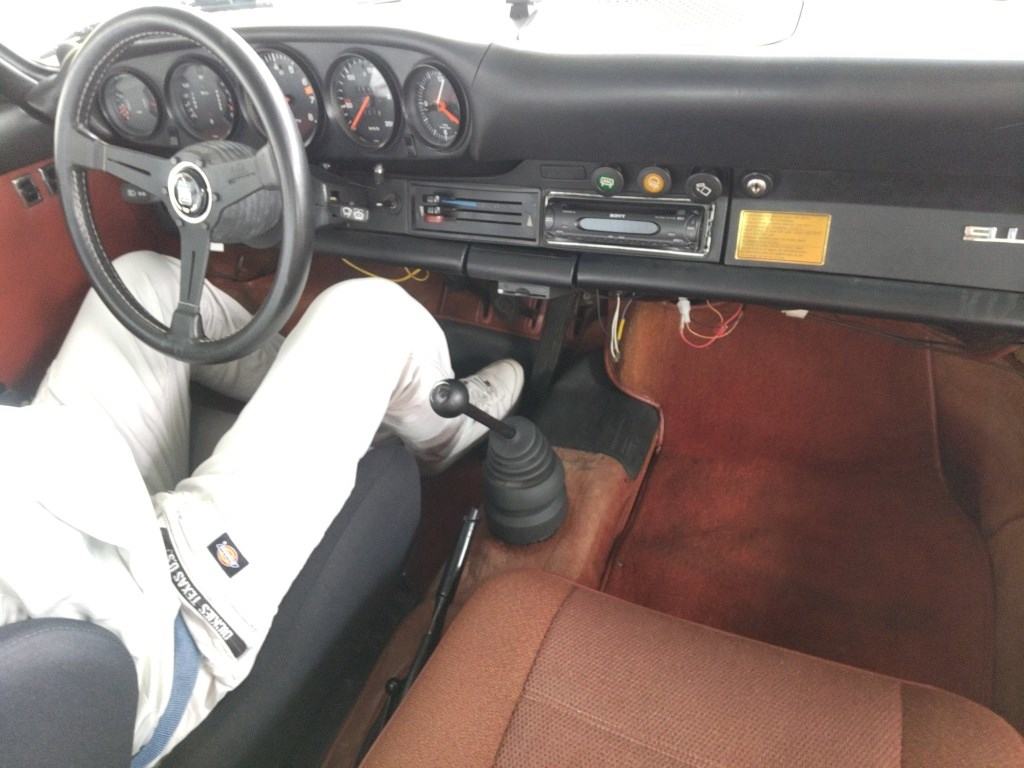
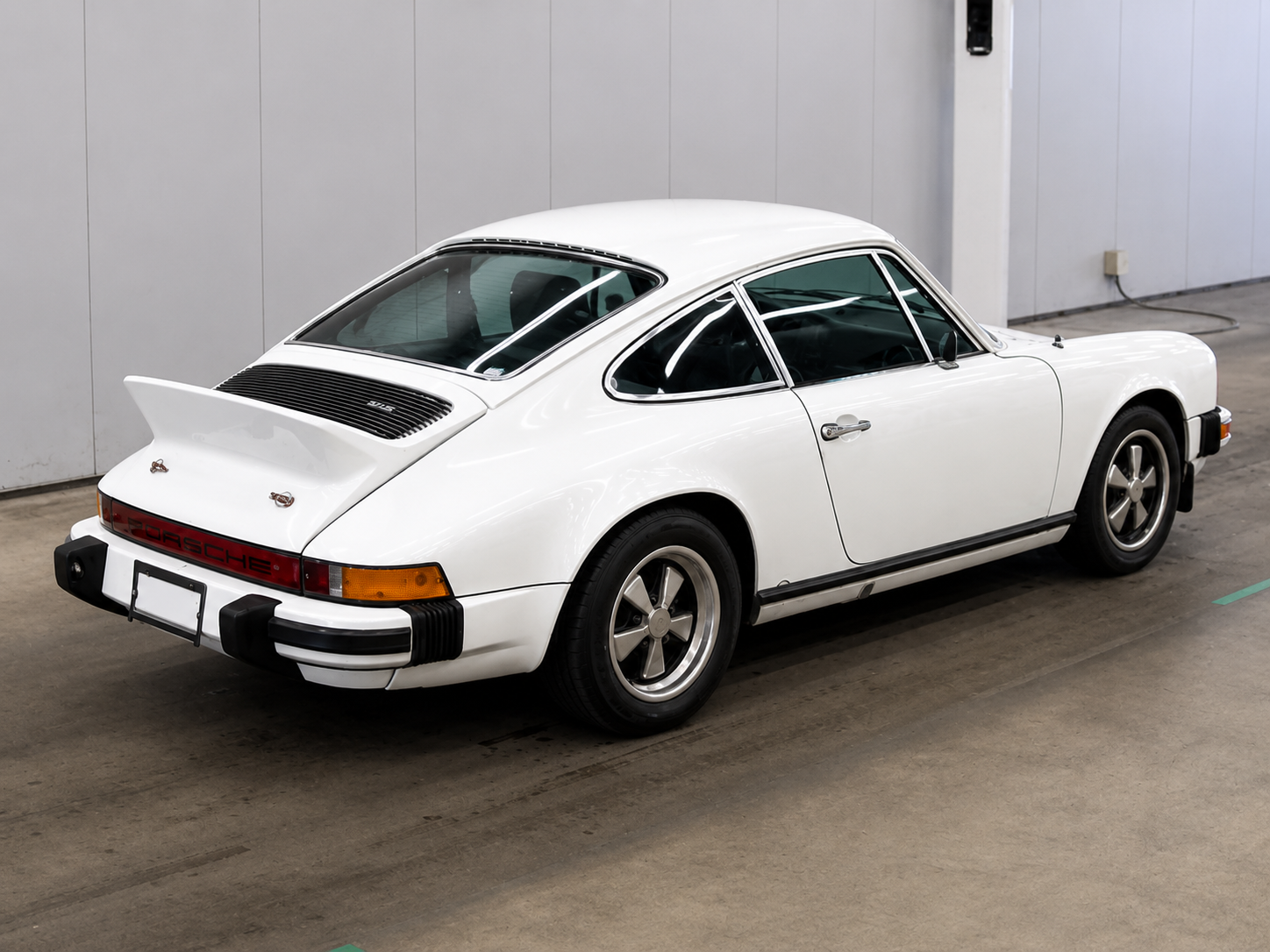
A 1974 Porsche 911 2.7S. Original Mitsuwa-provenance vehicle. Five-speed manual. White exterior. Left-hand drive — correct for Brazilian roads. Fully original specification. No modifications. No hidden history. One of approximately 9,500 coupes produced in the 911S 2.7 series across the entire model run.
In Brazil, there was no price guide for this car because there is no reference market. There are no other 1974 911S coupes with documented Japanese provenance, original specification, and a clean CVCOL certification available anywhere in the country.
That is not a weakness. That is the point.
Scarcity, provenance, and documentation are the three pillars of collector car value. This car has all three. The buyer who received it did not purchase a used car. They acquired a piece of Porsche history — with paperwork that tells the whole story.
What this means for serious collectors and investors
The window for this kind of transaction is not permanent.
The Japanese domestic market is beginning to see international demand rise for air-cooled Porsches. Prices at USS and HAA auctions for 911S and Carrera 2.7 variants have been moving upward for 24 months. The Brazilian collector market — which remains largely unaware of the Japan-to-Brazil arbitrage route — will eventually develop the same awareness that European and American dealers already have.
For now, the gap persists. And for collectors with the patience to work through the process, or the intelligence to work with a partner who already has — it remains one of the most compelling opportunities in the classic car world.
SPI Curated Vehicles operates exclusively on the buy-side. We identify, evaluate, and source collector vehicles from Japan on behalf of clients in Brazil, Canada, and the United Kingdom. We do not speculate. We do not hold inventory. We execute documented, transparent transactions with full cost disclosure — from auction gavel to destination plates.
If you are thinking about it
You probably have a car in mind. A specific year. A specific model. Something you have been watching on auction sites or reading about in forums, wondering if the numbers could ever work.
They might. The first step is understanding the full cost picture — not the romantic part, but the real one: the taxes, the logistics, the documentation, the timeline. We prepare that analysis before anyone spends a single dollar. If the numbers work, we proceed. If they don't, we tell you exactly why.
That discipline is what we call the Second is First Loser standard. Verification before commitment. Every time. No exceptions.
SPI Curated
Toronto (Canada) · São Paulo (Brazil) · London (United Kingdom)
info@startpointinvest.com
Gallery
Interested in This Vehicle?
Submit a mandate and we'll source this vehicle for you.
Submit a Mandate